TIA Signature Blue Whale Spath Acropora Colony(cut to order) • Local Pickup (Long Island, NY) or Overnight Shipping

Skip to product information
1 of 1

Coral Type: SPS

TIA Corals

TIA Signature Blue Whale Spath Acropora Colony(cut to order)

TIA Signature Blue Whale Spath Acropora Colony(cut to order)

Regular price $299.99 USD
Regular price Sale price $299.99 USD
Sale Sold out
Shipping calculated at checkout.
Quantity

About the Coral Image
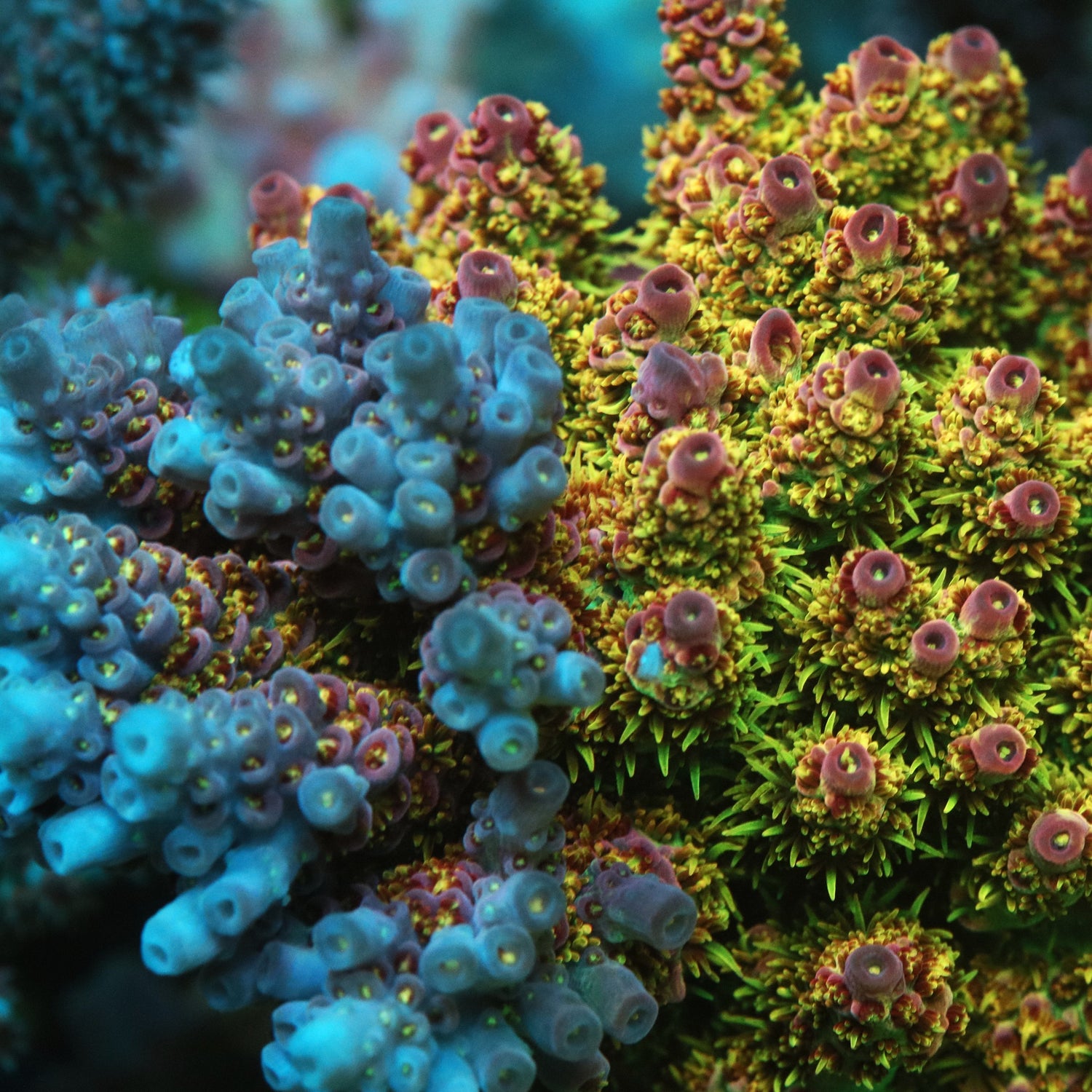
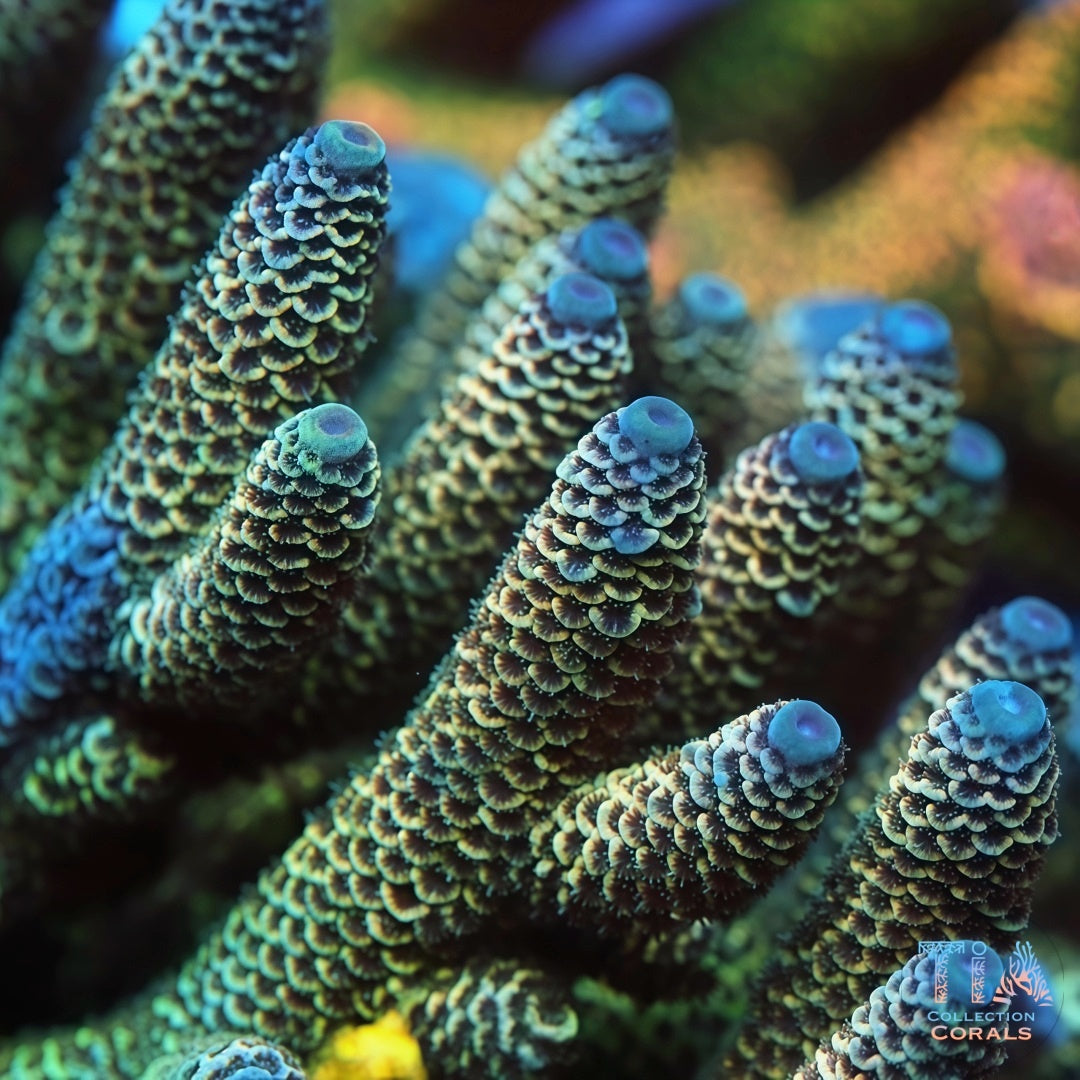
Photos taken under Actinic Radion Mobius (100% UV, 100% Violet, 100% Royal, 20% Blue) using Canon 90D + EF-S 60mm f/2.8 Macro. Color may vary under different lighting.

Approx. Size
Size: 1” frag

A Word of the Coral
A blue spath — and a true blue at that, which you don't see often in spathulata. Most spath color leans green, cream, or pastel, so a genuine blue like this one stands out fast. If you're a spath collector working through the different color morphs, this is the kind of piece you don't pass on.

Quick Specs
Type: SPS / Acropora spathulata (spath)
TIA Lineage: TIA Signature Blue Whale Spath
Care Level: Intermediate to Advanced
Lighting: Moderate to High (PAR 250–400) — strong blue-spectrum light holds the blue
Flow: Moderate to High — random/turbulent circulation preferred
Placement: Upper half of a mature reef
Coloration: True blue 
Growth: Classic spath form — plating/branching base with upward tips
Reef Compatibility: Reef safe
Listing Type: cut to order

Recommended Parameters
Temperature: 76–79°F
Salinity: 1.025–1.026
Alkalinity: 8–9 dKH
Calcium: 400–450 ppm
Magnesium: 1300–1400 ppm

Search Keywords
Acropora spathulata coral, blue spath acropora, true blue SPS coral, collector spath coral, SPS coral colony for sale, aquacultured acropora

Coral Quick Facts

  • Type: SPS
  • Care Level: Advanced
  • Light: High
  • PAR Guidance: PAR 250-450
  • Flow Style: Strong, random, high turnover
  • Placement Zone: Upper reef crest with stable alkalinity and nutrients
  • Behavior: Sensitive to swings; can RTN/STN under instability.
  • Compatibility: Allow room for branch growth and avoid coral warfare zones.
  • Feeding: Mostly photosynthetic; occasional amino/coral food can support color.

Low stock: 2 left

View full details
1 of 3