TIA Orchid Blossom Acropora Colony ( cut to order) • Local Pickup (Long Island, NY) or Overnight Shipping

Skip to product information
1 of 1

Coral Type: SPS

TIA Corals

TIA Orchid Blossom Acropora Colony ( cut to order)

TIA Orchid Blossom Acropora Colony ( cut to order)

Regular price $199.99 USD
Regular price Sale price $199.99 USD
Sale Sold out
Shipping calculated at checkout.
Quantity

About the Coral Image
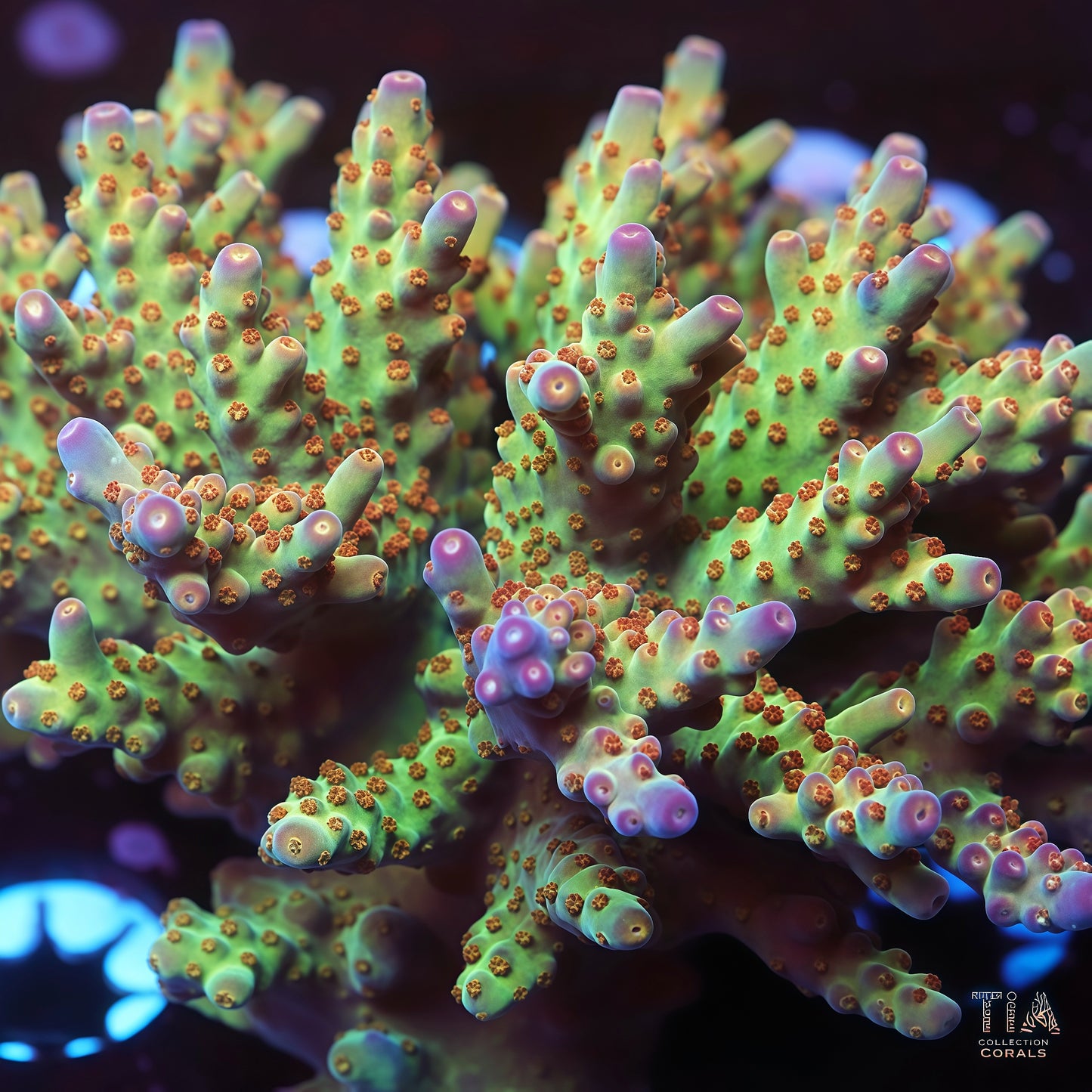
Photos taken under Actinic Radion Mobius (100% UV, 100% Violet, 100% Royal, 20% Blue) using Canon 90D + EF-S 60mm f/2.8 Macro. Color may vary under different lighting.

A Word of the Coral
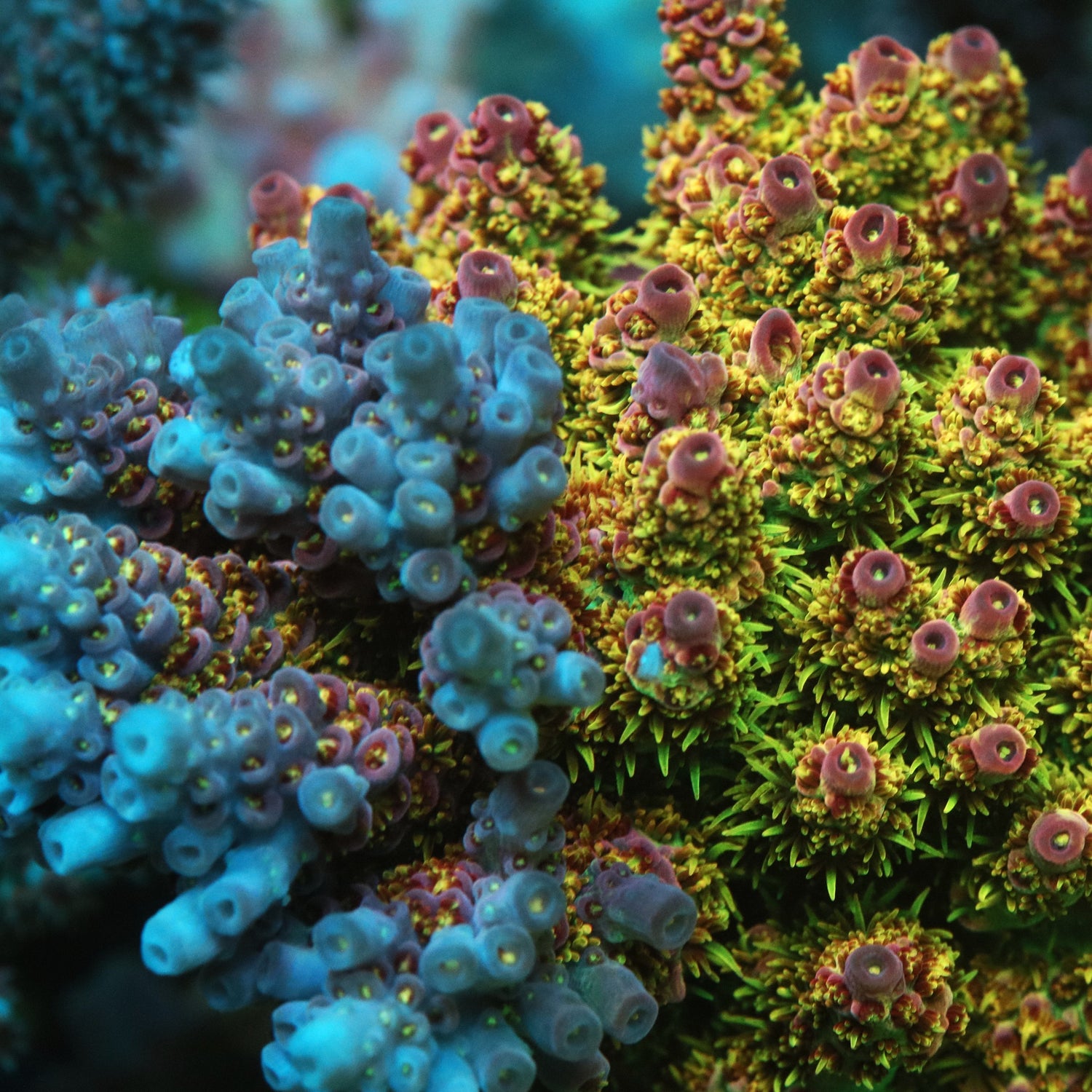
Introducing Orchid Blossom — an enchanting Acropora that blooms with the elegance of a wild orchid. Its emerald-green base is dotted with glowing orange polyps, while the branch tips transition into soft violet and rose hues, creating a floral display that feels alive with color and grace.

This coral brings a romantic and natural charm to any reef, resembling a bouquet of blossoms glowing under reef light. With its refined palette and vivid contrasts, Orchid Blossom is destined to become a centerpiece for collectors who value both beauty and balance.

Frag Label
Name: Orchid Blossom
Type: Acropora
Coloration: Emerald-green base with orange polyps and violet-rose branch tips
Style: Romantic, orchid-inspired aesthetic
Growth: Upright branching with dense, floral-like corallites
Lighting & Flow: Thrives under strong light and medium to high flow
Origin: Grown in TIA’s legacy display tank,hand-fragged for limited release

Fresh Cut Healing: Fresh-cut frags usually require about 1-2 weeks of recovery to ensure they are healthy and safe to ship. We prioritize coral health before shipment.

Coral Quick Facts

  • Type: SPS
  • Care Level: Advanced
  • Light: High
  • PAR Guidance: PAR 250-450
  • Flow Style: Strong, random, high turnover
  • Placement Zone: Upper reef crest with stable alkalinity and nutrients
  • Behavior: Sensitive to swings; can RTN/STN under instability.
  • Compatibility: Allow room for branch growth and avoid coral warfare zones.
  • Feeding: Mostly photosynthetic; occasional amino/coral food can support color.

Low stock: 5 left

View full details
1 of 3