TIA Signature Grand Finale Speciosa Acropora (cut to order) • Local Pickup (Long Island, NY) or Overnight Shipping

Skip to product information
1 of 1

Coral Type: SPS

TIA Corals

TIA Signature Grand Finale Speciosa Acropora (cut to order)

TIA Signature Grand Finale Speciosa Acropora (cut to order)

Regular price $599.99 USD
Regular price Sale price $599.99 USD
Sale Sold out
Shipping calculated at checkout.
Quantity

About the Coral Image
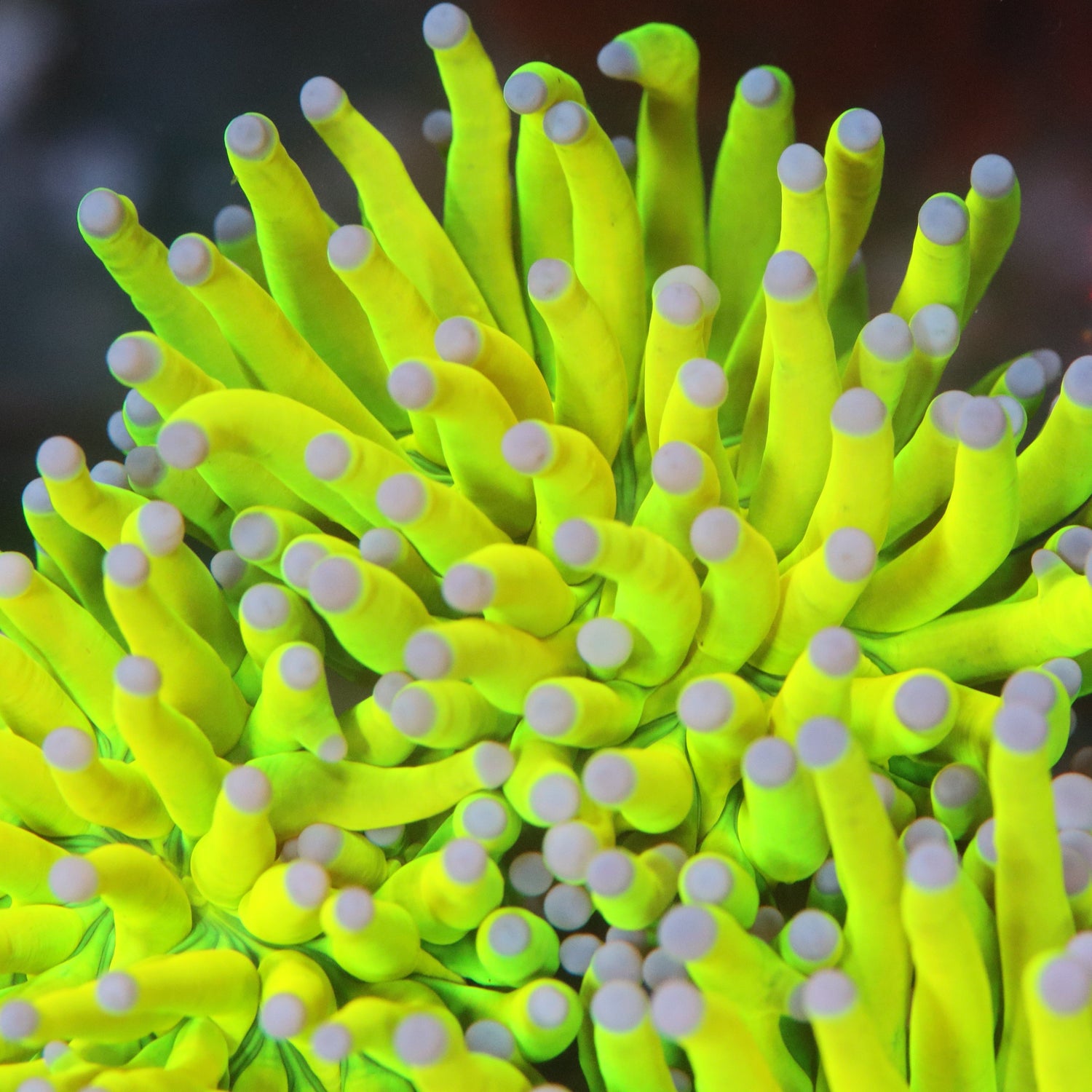
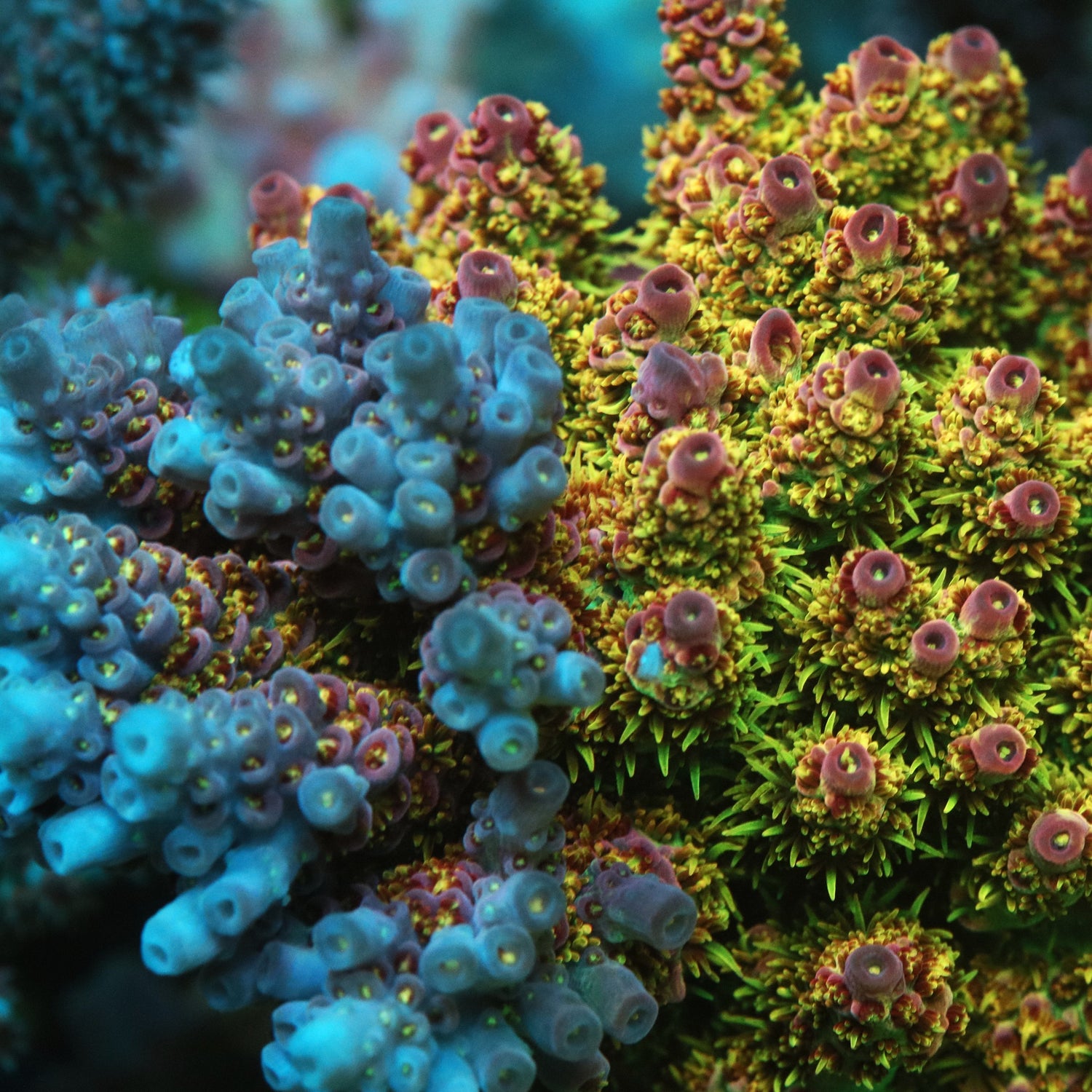
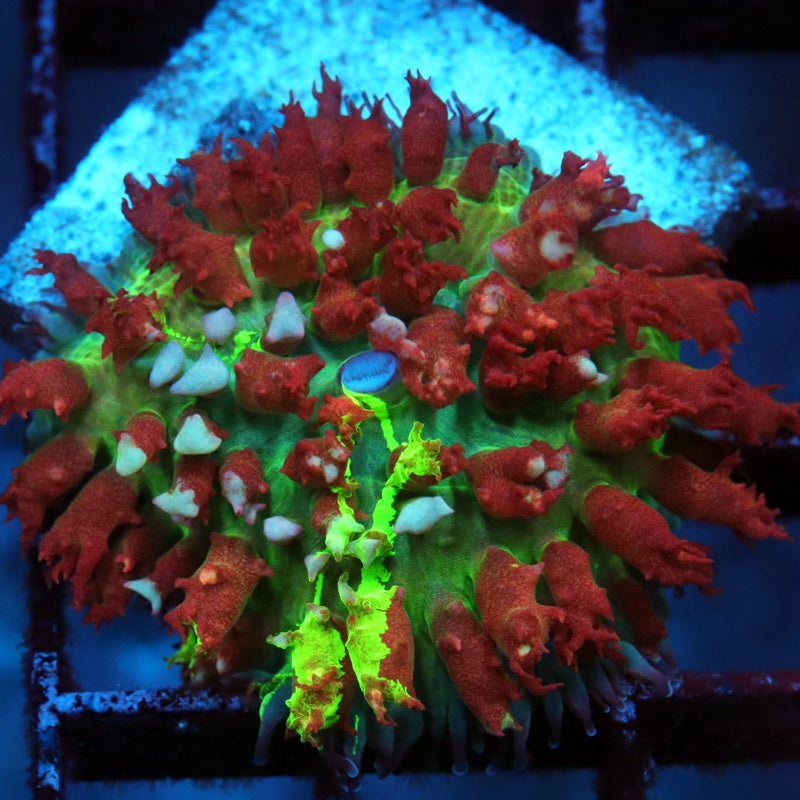
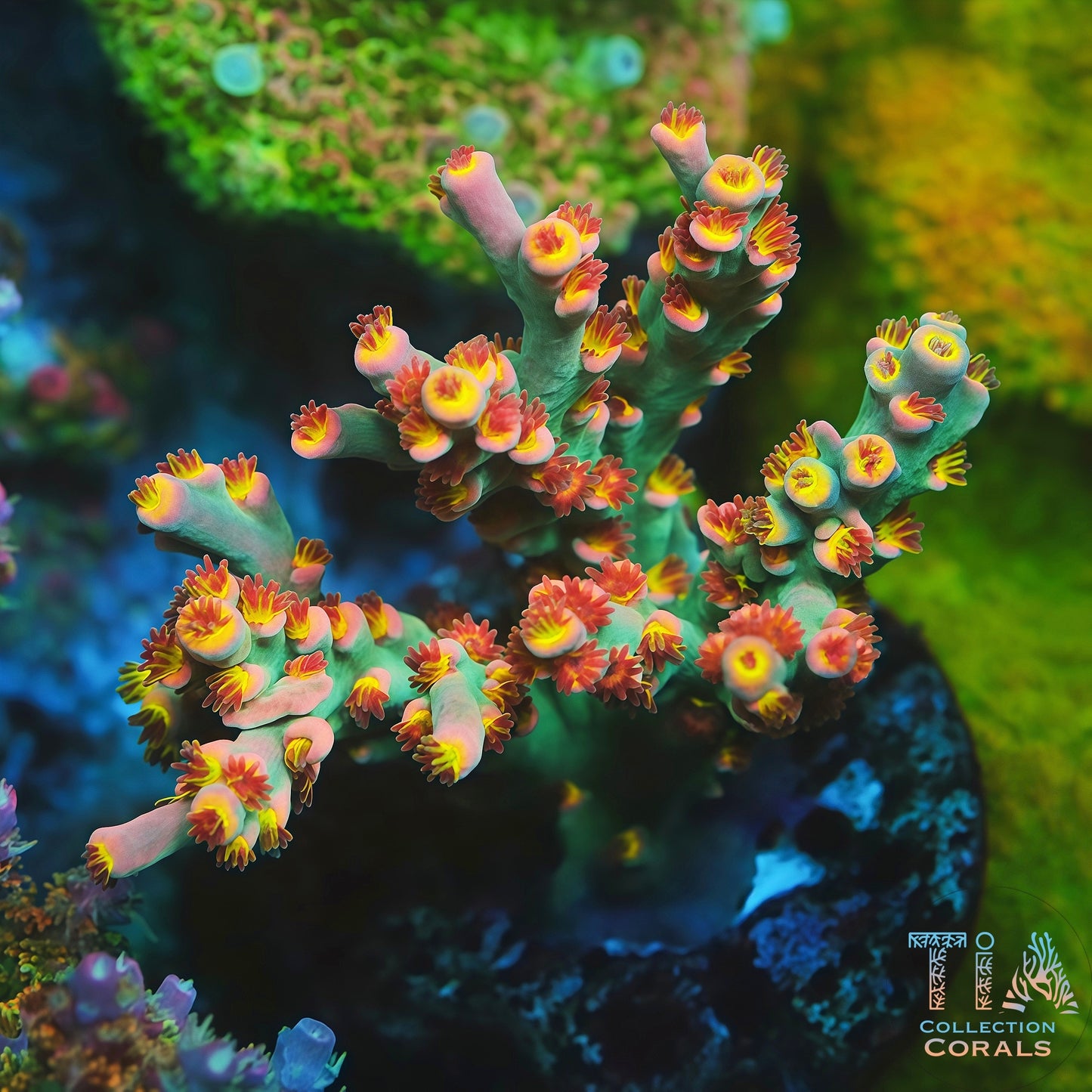
Photos show the mother colony this frag is cut from. Color may vary under different lighting. Photos taken under Actinic Radion Mobius (100% UV, 100% Violet, 100% Royal, 20% Blue) using Canon 90D + EF-S 60mm f/2.8 Macro.

Approx. Size
Size: 1"+

A Word of the Coral
Just like its name, this one is a graduation ceremony in coral keeping. It survived as one small piece of a much larger colony, then slowly grew back out. It wasn't until early this year that it really started to explode with color. For me, this coral is a milestone in the journey of reef keeping — a journey that never truly ends, but where a few corals stand as monuments along the way.

Quick Specs

Type: SPS / Acropora speciosa
TIA Lineage: TIA Signature Grand Finale Speciosa
Care Level: Advanced
Lighting: Moderate (PAR 150–250) — speciosa prefers lower light than most Acropora
Flow: Moderate to High — random/turbulent preferred
Placement: Middle third; tolerates shaded/lower spots better than most SPS
Coloration: Blue-green base with vivid red polyps and a bright orange corallite ring — colors pop most under blue-heavy light
Growth: Long, thin outward-branching form with extended polyps
Frag: Cut from established mother colony, healed and encrusting before shipping
Listing Type: Cut to Order

Coral Quick Facts

  • Type: SPS
  • Care Level: Advanced
  • Light: High
  • PAR Guidance: PAR 250-450
  • Flow Style: Strong, random, high turnover
  • Placement Zone: Upper reef crest with stable alkalinity and nutrients
  • Behavior: Sensitive to swings; can RTN/STN under instability.
  • Compatibility: Allow room for branch growth and avoid coral warfare zones.
  • Feeding: Mostly photosynthetic; occasional amino/coral food can support color.

Low stock: 4 left

View full details
1 of 3